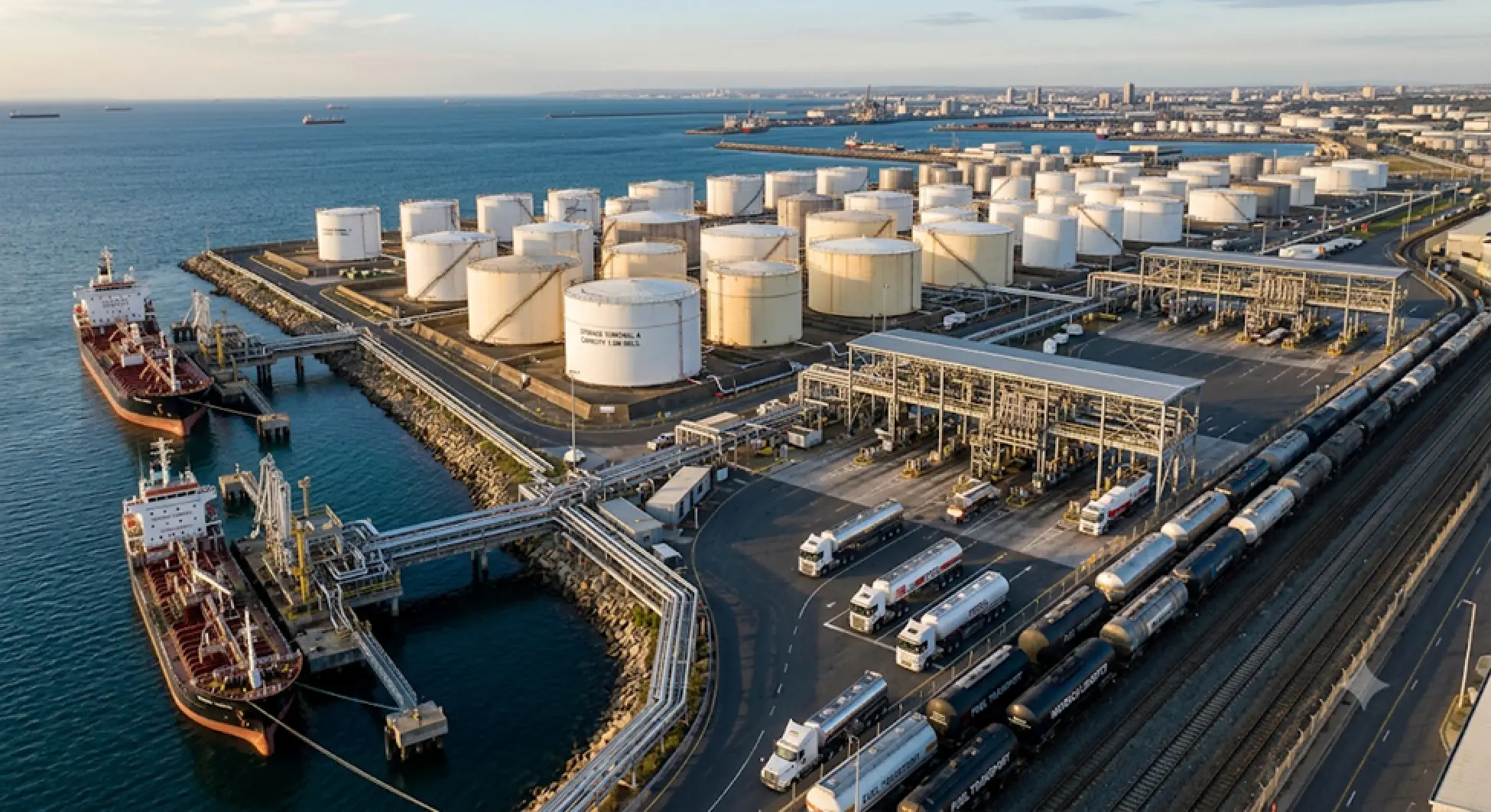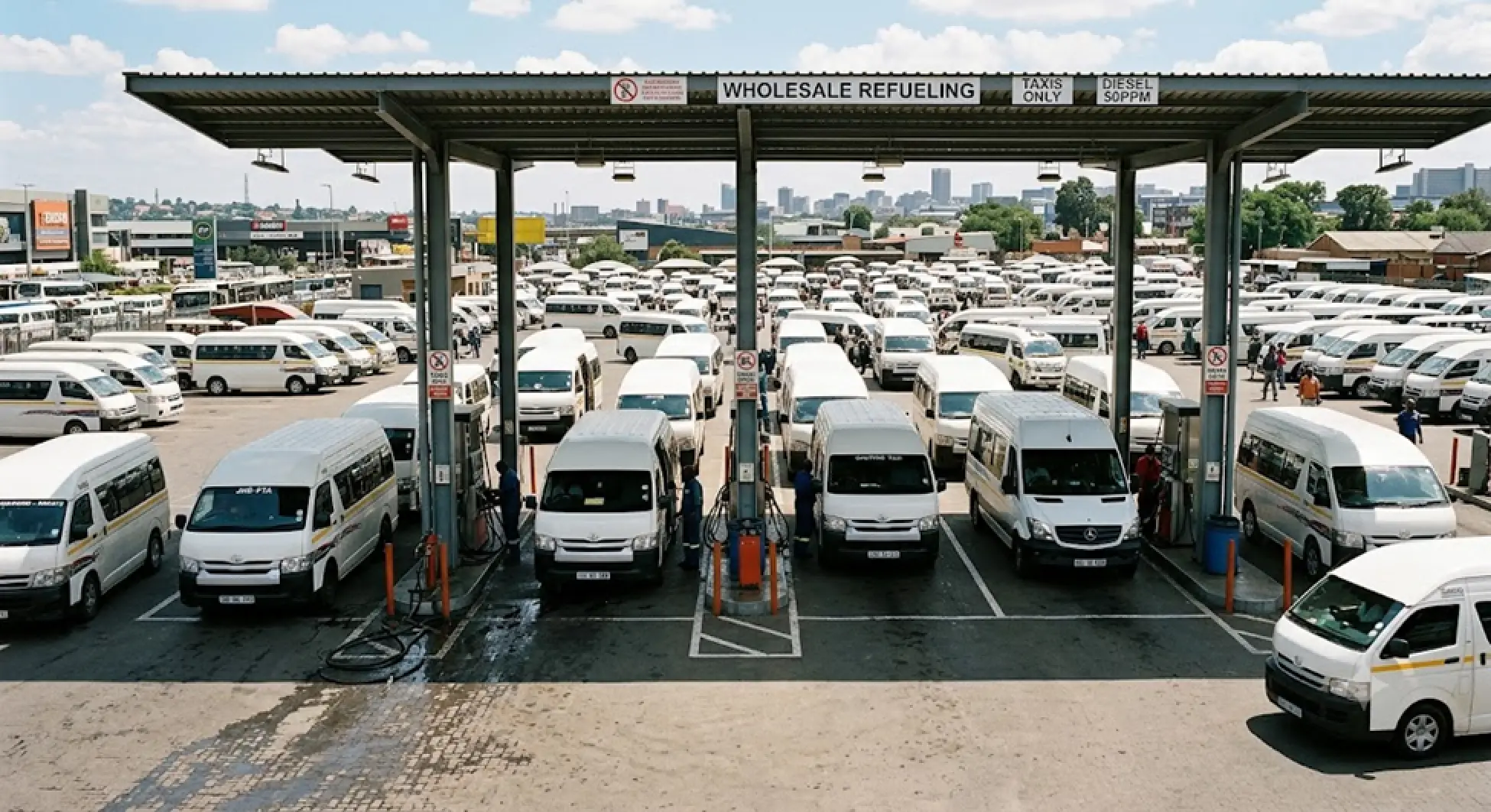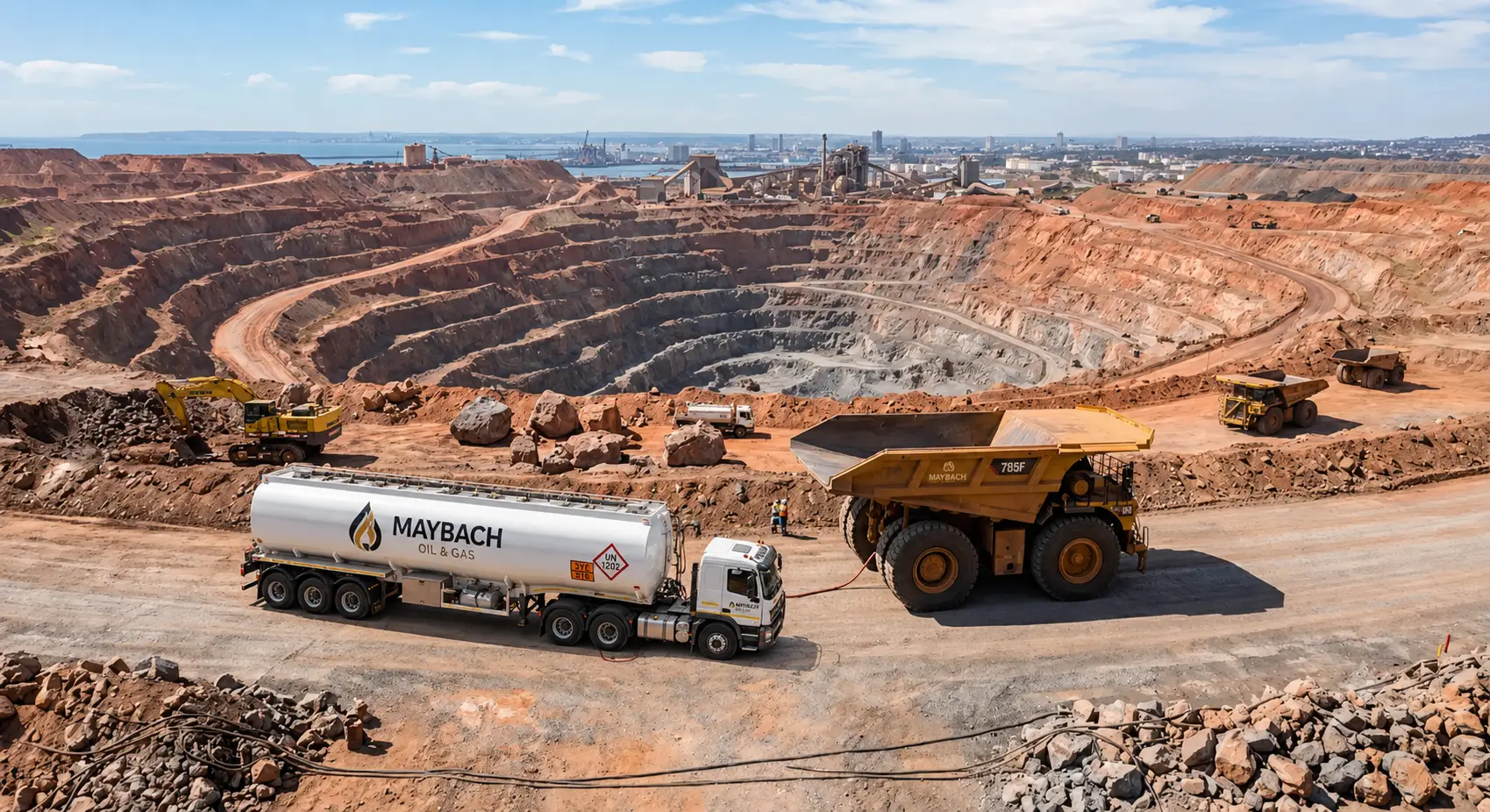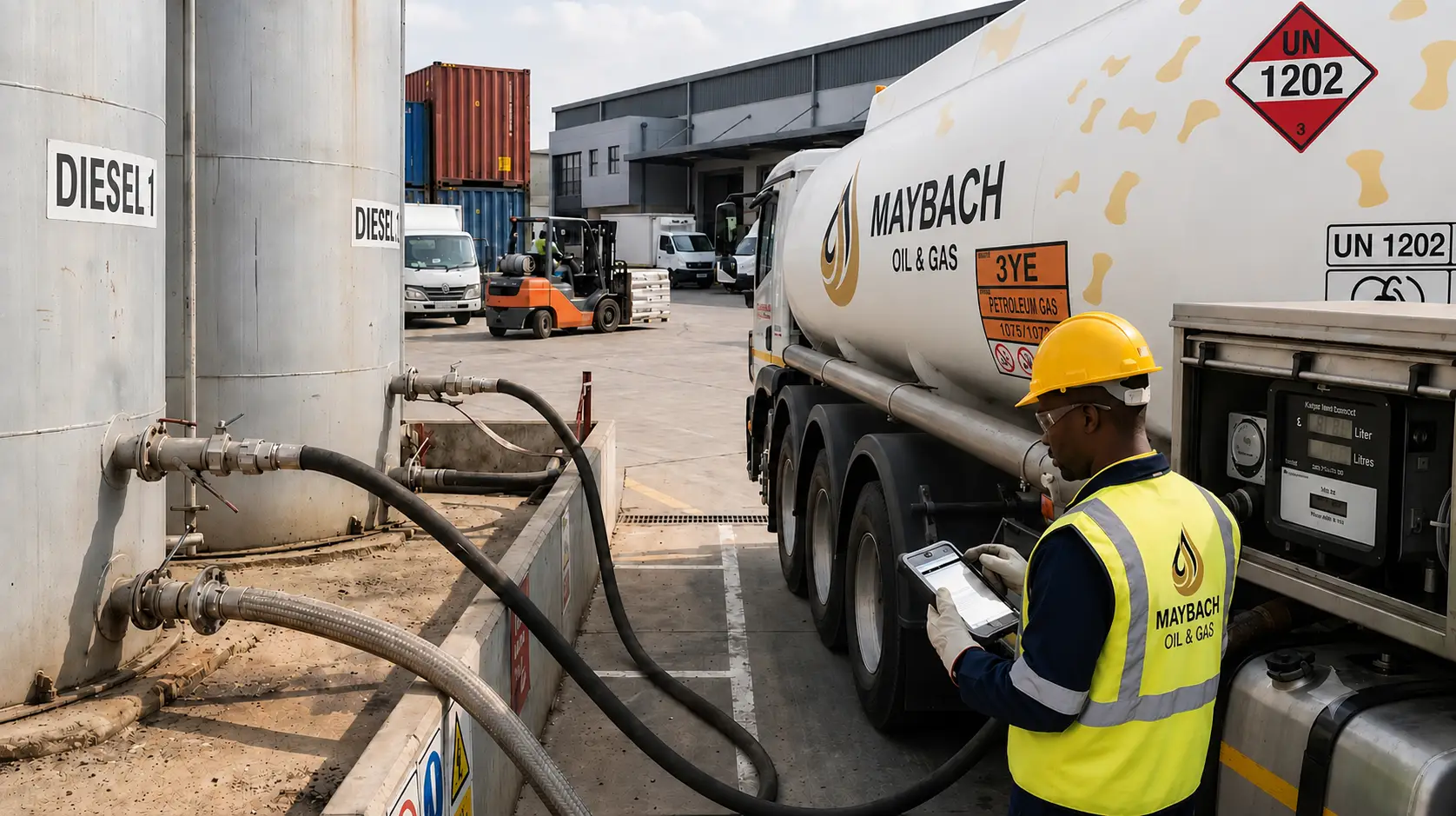
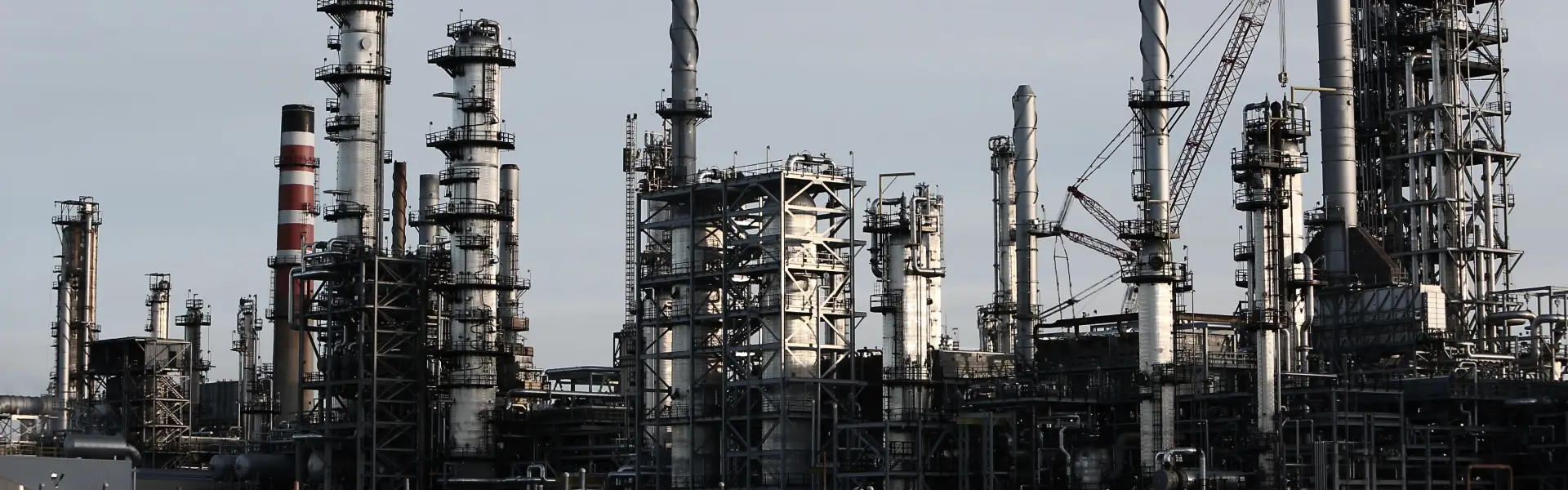
While road transport, logistics fleets, and commuter taxi networks consume massive quantities of petroleum daily, the broader macroeconomic engine of Southern Africa demands a far more complex and highly specialized portfolio of energy products. Heavy manufacturing plants require thermal energy and high-viscosity lubricants to keep continuous production lines moving; infrastructure development relies on high-grade bitumen; and the aviation sector operates on an entirely distinct, zero-failure supply chain of highly refined jet fuel.
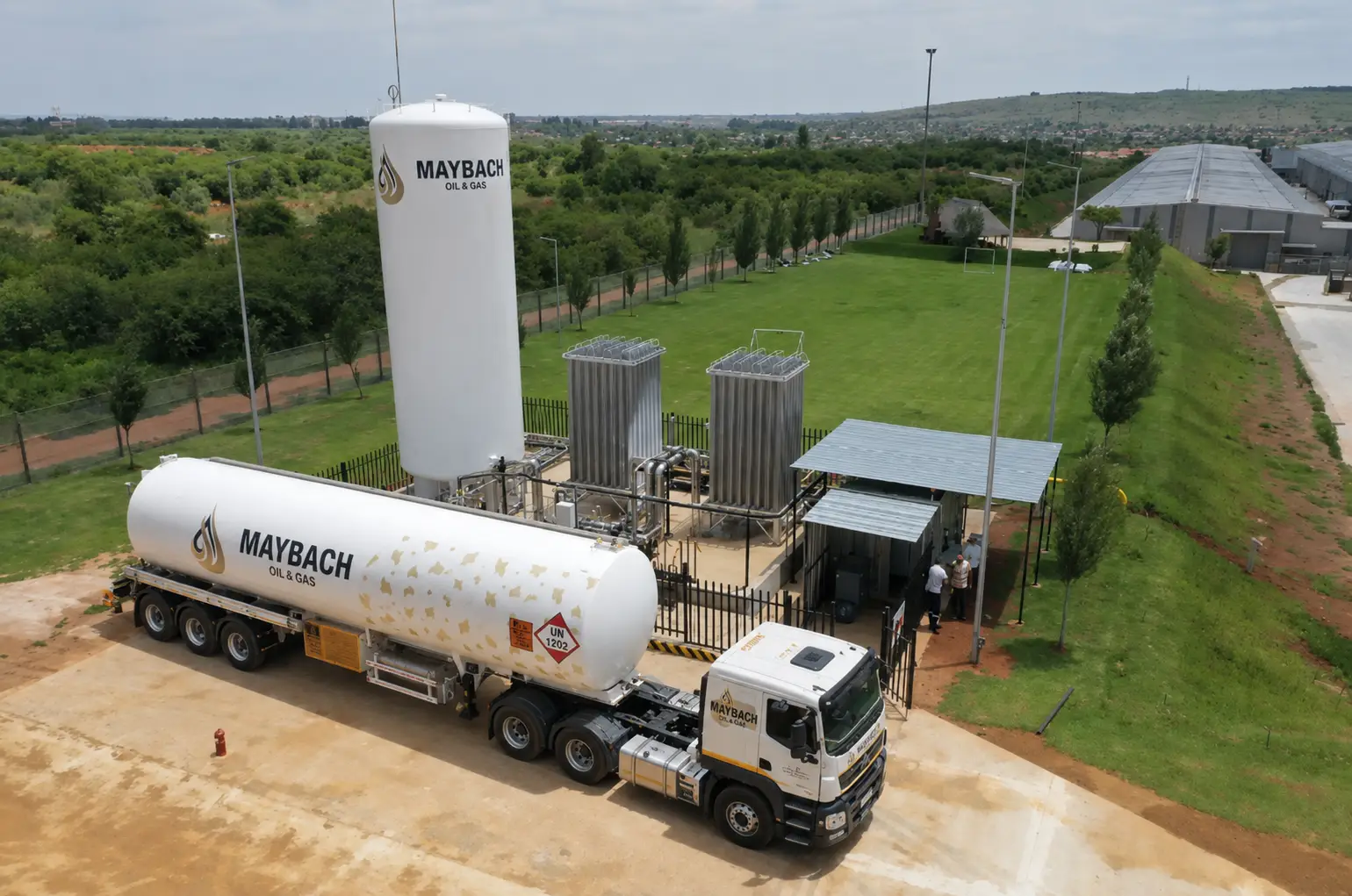
Since its inception in 2014, Maybach Oil & Gas has strategically evolved from a localized bulk fuel distributor into a highly diversified, multi-sector energy partner. Recognizing that relying solely on retail petrol and automotive diesel exposes an energy supplier to localized market shocks, Maybach has expanded its operational footprint deep into the industrial, infrastructure, and aerial corridors of the Southern African Development Community (SADC) region. Today, Maybach’s product matrix extends far beyond standard automotive fuels to include Aviation Turbine Fuel (Jet A-1) and Avgas for commercial aviation, Liquefied Petroleum Gas (LPG) for industrial processing, Illuminating Paraffin (IP), Bitumen critical for national road construction, and Specialized Lubricants.
A prime example of Maybach’s operational scaling is its role in supplying fuel to the Kruger Mpumalanga International Airport (KMIA). Aviation fuel supply demands absolute quality assurance and zero margin for error; every batch must be certified from gantry to wingtip to ensure safe flight operations. Similarly, Maybach services heavy manufacturing plants and government infrastructure projects, supplying bitumen for road construction and industrial oils for manufacturing machinery. By drawing from global networks via its reseller agreements with major oil houses, Maybach fulfills the role of a multi-sector energy provider, powering the commercial, industrial, and aerial corridors of Southern Africa.